




Sewer Level Monitoring - Kallipr
Kallipr empowers utilities with continuous, automated sewer level monitoring using rugged IP68 radar hardware, edge processing, and cloud analytics. By delivering accurate real‑time level data and early alerts, operators can prevent overflows, prioritize maintenance, and proactively manage wastewater networks with confidence.
By: Kallipr
Last Updated: October 22, 2026
Availability by Region:
WorldwideSewer Level Monitoring - Kallipr
Kallipr empowers utilities with continuous, automated sewer level monitoring using rugged IP68 radar hardware, edge processing, and cloud analytics. By delivering accurate real‑time level data and early alerts, operators can prevent overflows, prioritize maintenance, and proactively manage wastewater networks with confidence.
Monitor Sewer Levels with Confidence
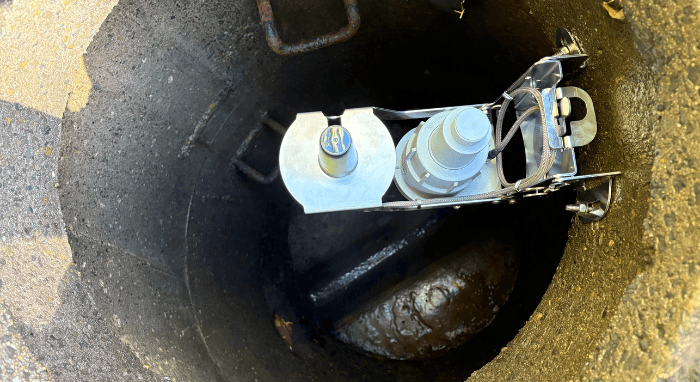
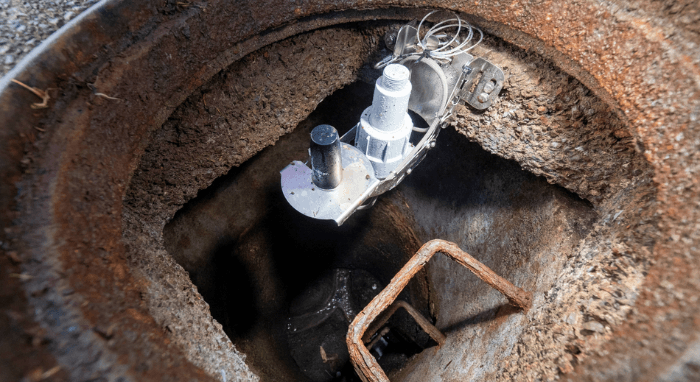
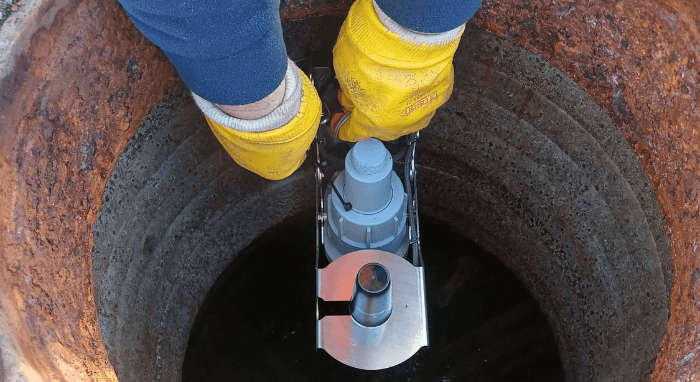
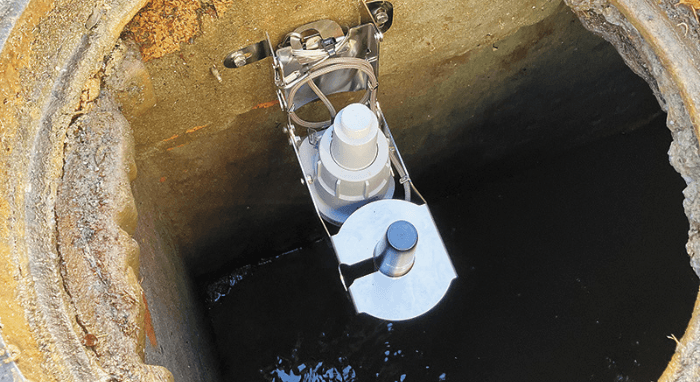
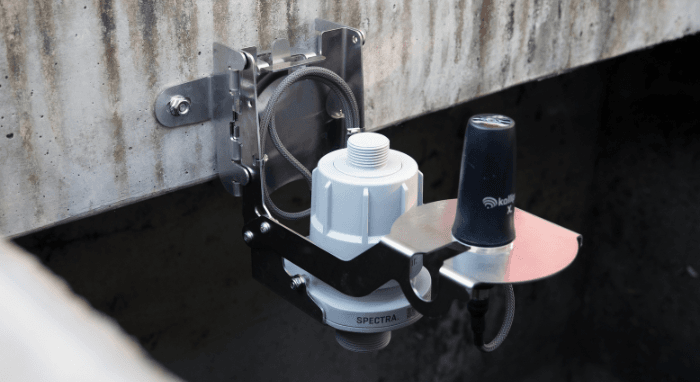
Kallipr’s Sewer Level Monitoring replaces reactive sewer inspection with continuous, automated observation of wastewater levels. At the core of the solution are rugged, IP68‑rated radar sensors designed to withstand submersion, debris, corrosion, and harsh sewer conditions — environments where traditional probes and float switches struggle.
Each sensor captures precise level measurements at the asset and performs edge processing to filter noise and deliver actionable data. This information is transmitted securely to the cloud, giving operators centralized access to real‑time readings, historical trends, and configurable alerts. Operators no longer need to dispatch field crews just to take manual measurements or await a complaint — the system informs them when levels are rising, blockages are forming, or unusual patterns emerge.
With continuous sewer level insights, utilities can:
- Detect potential overflows early, allowing intervention before spills occur.
- Identify high‑risk locations based on data patterns rather than guesswork.
- Use data‑driven prioritisation for inspection and maintenance planning.
- Reduce emergency callouts and improve crew utilisation.
The end‑to‑end solution — from field hardware to cloud software and alerting — simplifies deployment, procurement, and ongoing management, ensuring consistent performance and removing integration gaps.
Benefits

Prevent Overflows and Reduce Environmental Risk
Continuous monitoring provides early visibility into rising sewer levels, enabling timely intervention. This significantly reduces overflow incidents, environmental contamination, and cleanup costs, while helping utilities stay compliant with regulations.
Move from Reactive Response to Proactive Management
Real‑time and historical data replace scheduled manual inspections and emergency responses. Utilities can prioritise high‑risk sites, allocate resources more effectively, and plan maintenance based on actual sewer behaviour.
Lower Operating Costs and Improve Crew Safety
Automated monitoring substantially reduces the need for physical inspections and confined space entries. This lowers operational expenses, decreases hazardous site visits, and enhances crew safety by reducing exposure to dangerous conditions.
More Details

Designed for Harsh Sewer Environments
IP68‑rated radar hardware operates reliably through submersion, debris, and corrosion — providing consistent performance where traditional sensors fail.
Fast, Low‑Risk Installation
Sensors install quickly without structural modifications or custom lids, reducing safety risks and simplifying approval processes for widespread deployment.
End‑to‑End Platform
Kallipr delivers the complete solution — hardware, cloud software, and alerting — eliminating integration gaps and ensuring accountability for performance, data quality, and ongoing support.
About Kallipr
Kallipr delivers end-to-end remote monitoring solutions used by industries around the world. We build the full stack: IP68 data loggers, advanced edge devices that process and transmit data on site, and radar-level sensors for pressure monitoring, flow monitoring, tank levels, smart metering, and more, plus a cloud software platform that gives operators clear insight across their networks. Our hardware uses machine learning and AI to filter noise, sharpen accuracy, and surface the signals that matter. Our software turns raw field data into early warnings, network behavior insights, and diagnostics that keep assets and crews ahead of problems. More than 400 organizations trust Kallipr to monitor critical assets across water, rail, mining, and more. The platform supports large scale deployment, long field life, and reliable near-time data while reducing the manual work of managing big IoT fleets.
Company Size
11-50
Founded
2017
Locations
Brisbane, Australia


